Tag: Digital Archive

  • What Is Conversational Video? A Definition

    What Is Conversational Video? A Definition

    A linear recording is a closed loop that eventually falls silent. While we capture more footage than any generation in history, these files often remain untouched after the first viewing because they cannot speak back to us. We recognise the fear that personal judgment will vanish. We also understand the growing distrust of synthetic media. You require more than a passive archive. You need a way to ensure that wisdom remains accessible and that the voice you hear is genuine.

    Conversational video transforms a static recording into a queryable record of experience. By using a Living Library™ and robust conversational video infrastructure, we move beyond mere playback to create an enduring dialogue. This article defines the technology that makes knowledge askable while ensuring that consent architecture remains at the heart of the process. We will explore how provenance at capture protects the integrity of the record and why this shift is essential for the preservation of collective memory.

    Key Takeaways

    • Recognise why legacy projects often stall and how the invitation dynamic ensures that subjects feel comfortable being heard.
    • Learn how Conversational video moves beyond linear recording to provide an interactive, askable record of authentic human experience.
    • Secure the integrity of every testimony through provenance at capture to ensure the record remains untampered and verified.
    • Understand how to scale individual memory into The Human Layer to protect and grow the collective wisdom of an organisation.

    The Activation Problem: Why Family Story Projects Stall Before the First Recording

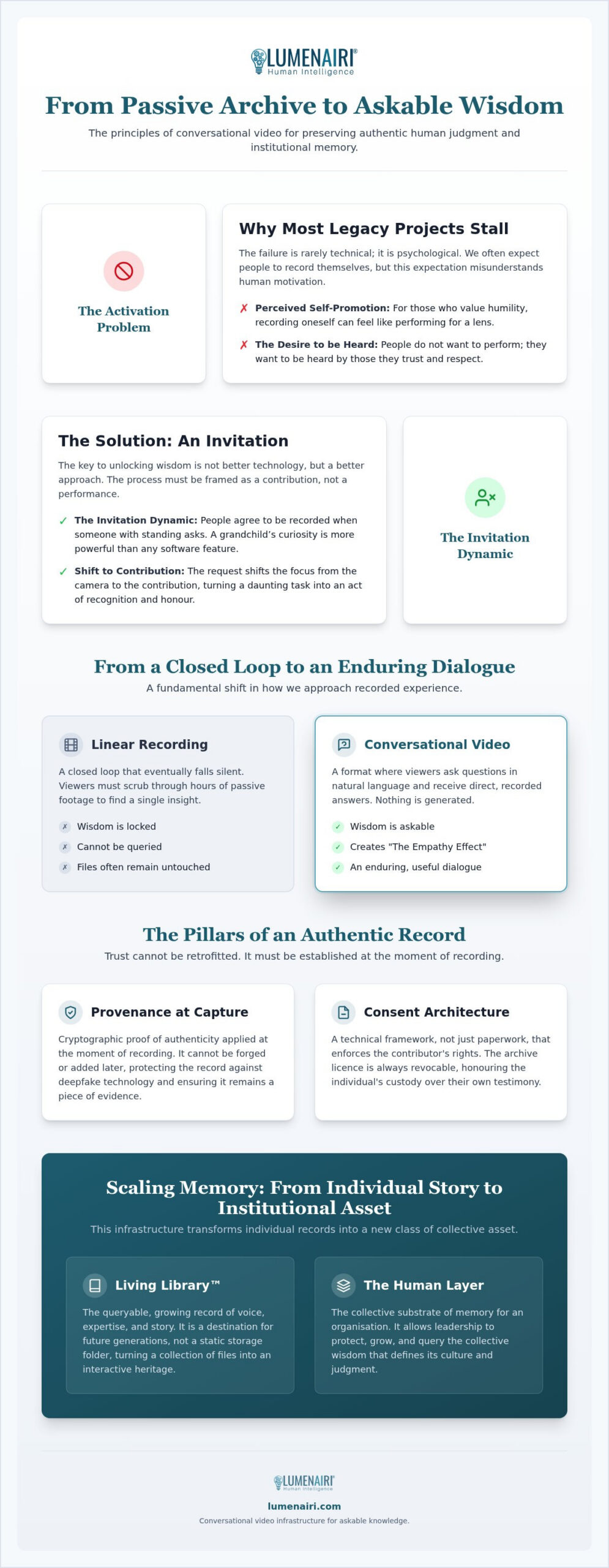
    Most legacy projects fail before the first word is spoken. The reason is rarely technical. It’s psychological. We often expect elders to record themselves. This feels like self-promotion to those who value humility. They don’t want to perform for a lens. They want to be heard by those they love. This is the activation problem. It stalls thousands of potential archives every year.

    The Invitation Dynamic in Practice

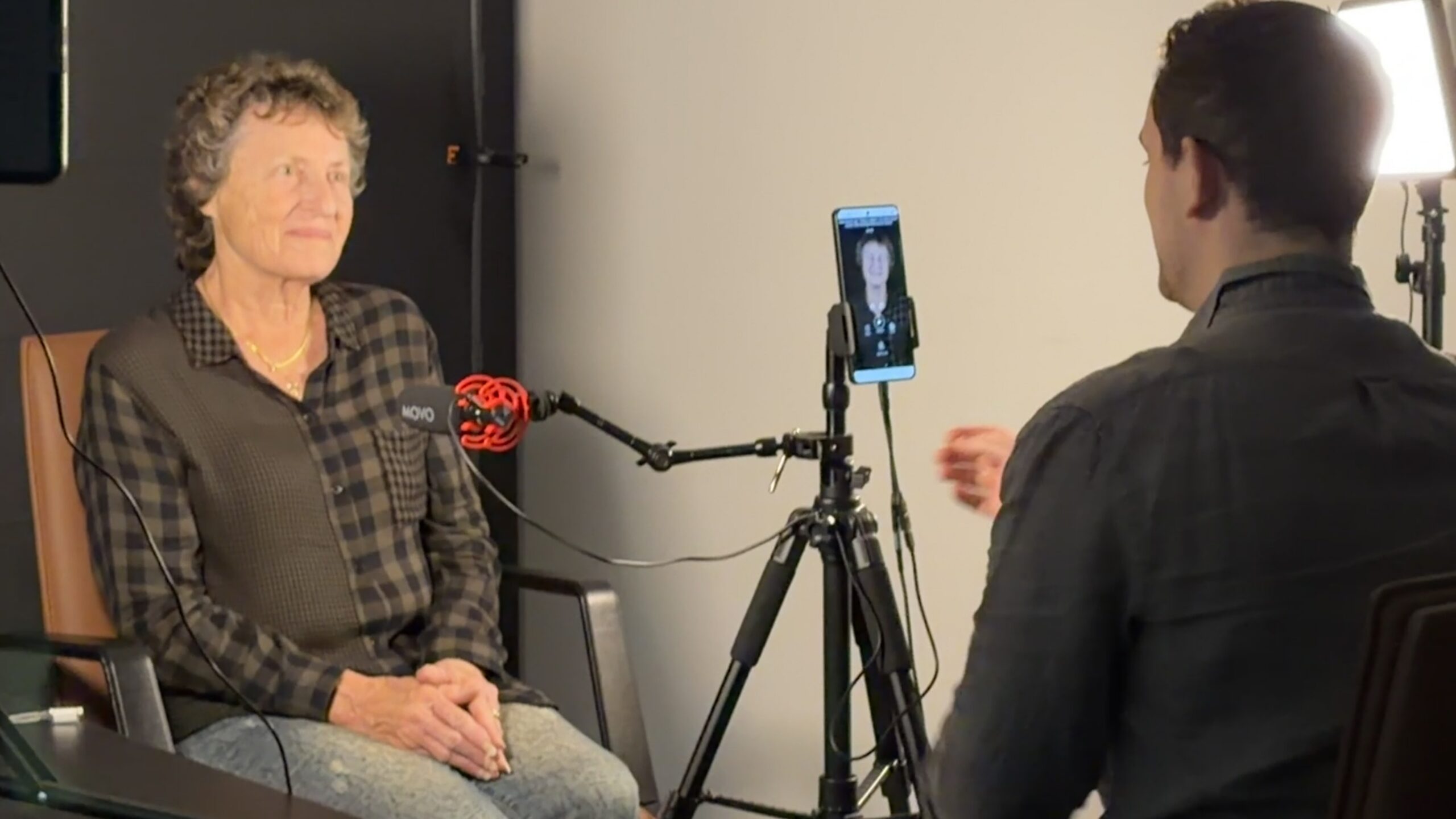
    People agree to be recorded when someone with standing asks them. We call this the invitation dynamic. A grandchild’s curiosity is more powerful than any software feature. The request shifts the focus from the camera to the contribution. It turns a daunting task into an act of recognition and honour. In the history of interactive video, the most successful testimonies began with a direct request. The subject is answering a call to share wisdom. This dynamic is the foundation of conversational video. It replaces the vanity of recording with the dignity of being requested.

    Emotional Motivation vs Operational Justification

    Successful records require a specific trigger. A milestone anniversary or a transition in family leadership provides the necessary momentum. There’s an emotional desire to be heard. There’s also an operational need to preserve judgment. We must frame the recording as a duty to future generations. It’s far more than a personal memoir. It’s a sacred asset for those who come next. This approach ensures the process begins with purpose. It transforms a vague idea into a defined responsibility. We treat communication as an inheritance. By doing so, we overcome the inertia that keeps stories silent. This structure is essential for anyone building a lasting record of experience.

    Conversational Video: Moving Beyond Linear Recordings to Askable Wisdom

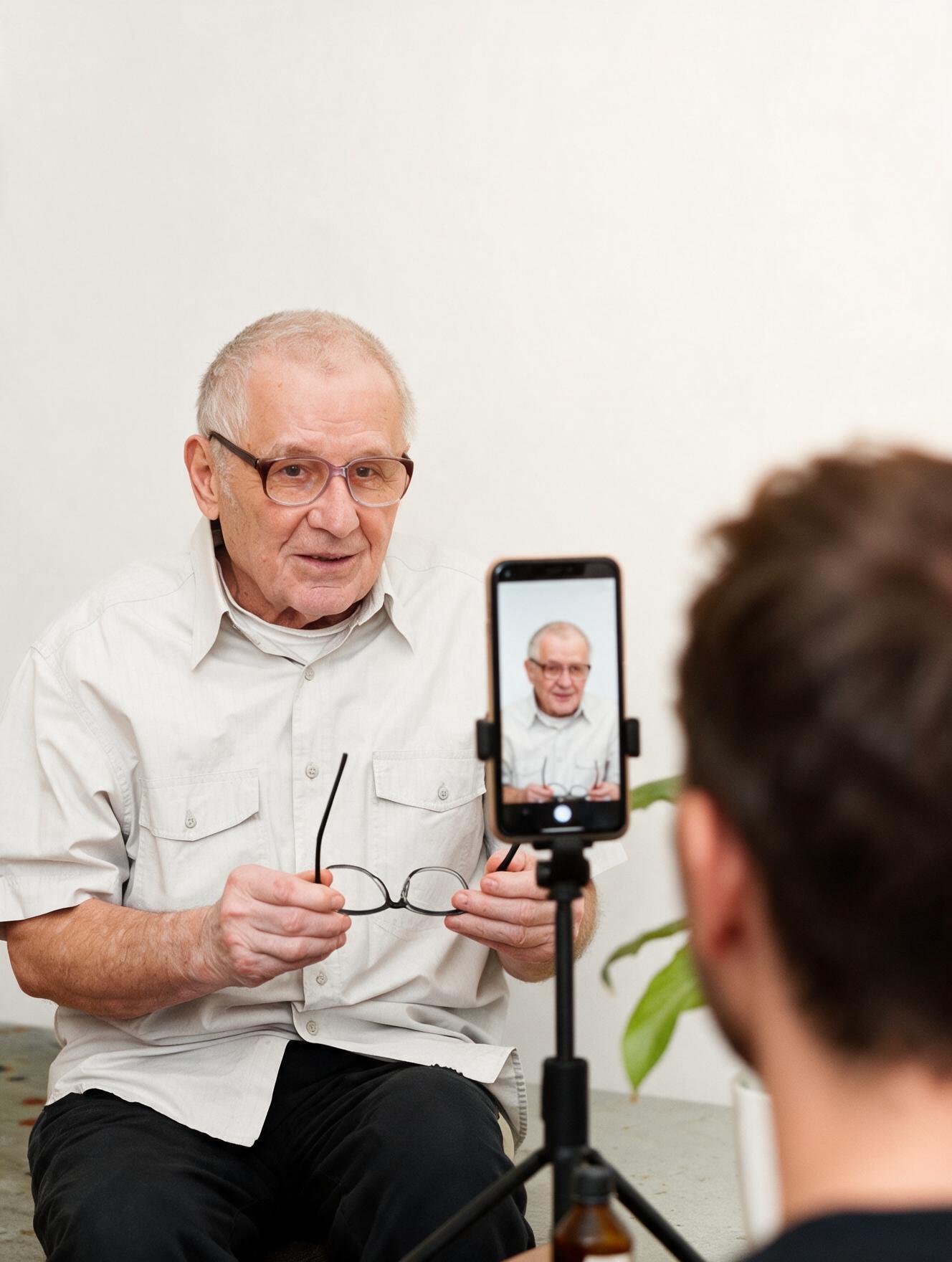
    Conversational video is a format in which a person is recorded once answering the questions they’re most likely to be asked. Viewers then ask their own questions in natural language and receive the recorded answer in that person’s own voice and face. Nothing is generated. Linear video remains a locked format. It forces viewers to scrub through hours of footage to find a single insight. This infrastructure makes wisdom askable. It ensures the record remains useful long after the conversation ends.

    The empathy effect occurs when a viewer receives a direct, non-synthetic answer from a recorded subject. It’s a profound connection. It relies on the truth of the human gaze. Professional bodies have adopted similar models, such as conversational video tutorials, to bridge the gap between static information and active learning. This directness creates a sense of presence that synthetic media cannot replicate.

    Why Nothing Is Generated

    We maintain a critical distinction between recorded evidence and synthetic media. Generated material is unacceptable for a family or institutional archive. A synthetic avatar is a generated impression. It lacks evidentiary value. It cannot carry the weight of a person’s beliefs or their personal judgment. We record what people actually say because the truth of the testimony is the only thing that endures.

    Building a Living Library™

    A Living Library™ is the queryable, growing record of voice, expertise, and story. It’s a destination for future generations rather than a storage folder. It allows a family or organisation to protect their collective substrate of memory. You can begin curating your own legacy archive to ensure these stories are never lost. This approach turns a collection of files into an interactive heritage.
    What Is Conversational Video? A Definition

    Implementing Trust: Provenance at Capture and the Ethics of Legacy

    Trust cannot be retrofitted. It must be established at the moment of recording. In an era of increasing synthetic media, a record that cannot demonstrate it is real is not a record. It is simply digital noise. We ensure that every instance of conversational video carries its own shield of authenticity from the very first frame. This technical foundation is what separates a genuine testimony from a generated impression.

    The Technical Enforcement of Truth

    We apply provenance at capture to every recording. This is cryptographic proof of authenticity applied at the moment of recording. It cannot be forged. It cannot be added retrospectively. This mechanism protects the integrity of the voice and face against future deepfake technology. By securing the metadata at the source, we ensure the record remains a piece of evidence. It is a verified substrate of human memory that stands the test of time.

    Consent Architecture and the Right to Silence

    Ethics in memory require more than a signature. We use a robust consent architecture. This is a defined category of permission chosen by the contributor that is attached to the recording itself. Consent must be an explicit act. It is never a default checkbox hidden in terms of service. The contributor remains the primary authority over their story throughout the life of the archive. The foundation of conversational video is the absolute integrity of the source.

    This framework includes a permanent right to withdraw. A contributor can revoke their archive licence at any time. In a trustworthy archive, custody is distinct from ownership. We act as guardians of the record, but the individual retains the right to be heard or to fall silent. This mutuality is essential for maintaining the dignity of the subject. It ensures that the record is a gift. You can learn more about how we protect these standards through our museums and archives solutions.

    Scaling the Human Layer: From Individual Memory to Institutional Asset

    The Human Layer is the collective substrate of everything an organisation does to recognise, protect, and grow the value its people carry. It begins with the individual. Capturing stories from elderly relatives or long-serving staff is the first step in building a distributed collection of corporate or family wisdom. Mobile conversational video allows for this parallel capture at scale without the constraints of a traditional studio. It enables a global workforce or a sprawling family to contribute to a shared record simultaneously.

    Capturing what people actually say through conversational video is the necessary mechanism for preserving the Human Layer, and Lumenairi provides the infrastructure to make this knowledge askable. This ensures that the tacit knowledge and personal judgment of a generation remain interactive. These assets are no longer at risk of fading away.

    The App Captures; Core Curates

    The App captures high-fidelity, authenticated recordings in any environment. It turns a standard mobile device into a tool for secure testimony. Once the recording is finished, Core allows families and institutions to review, manage, and publish their Living Library™. This curated space becomes a vital destination for future generations. Those pursuing personal heritage projects can explore our Family solutions to start their journey.

    Institutional Mirroring for Permanence

    Permanence resides in institutions. A record only truly endures when it is held by an organisation with a mandate for longevity. We prioritise mirrored deposits with established archives or national libraries to ensure survival independent of any single vendor. This protects the archive against technological obsolescence or corporate change. Professional curators should examine our Museums Archives standards for managing high-status collections. This architecture guarantees that the voices we record today will remain audible and authentic for the long term.

    Securing the Future of Human Wisdom

    We stand at a definitive crossroads where the recording of a life can either be a static file or a living dialogue. Conversational video offers the latter. It ensures that the personal judgment and tacit knowledge of those we respect remain accessible for generations. By moving beyond linear constraints, we protect the Human Layer of our families and organisations. This shift turns a passive archive into an active inheritance.

    Our commitment to non-synthetic testimony is rooted in thirty years of experience managing global archives, including leadership at the USC Shoah Foundation. We believe that nothing is more powerful than the recorded evidence of a human being heard. As an independent company, we prioritise the technical enforcement of truth through provenance at capture. This work requires a dedicated infrastructure that respects both the subject and the future viewer. Explore how to build your own Living Library™ and ensure your legacy remains askable. The stories of the past are the foundation of the future. Start your archive today.

    Frequently Asked Questions

    What is the difference between conversational video and an AI avatar?

    Conversational video is a format where a person is recorded answering likely questions, and viewers receive the recorded answer in that person’s own voice and face. Nothing is generated. In contrast, an AI avatar relies on synthetic generation to create a generated impression of a person. We believe synthetic material lacks evidentiary value and is unacceptable for any archive that values authenticity and truth.

    How do I get a camera-shy relative to agree to be recorded?

    Success depends on the invitation dynamic. A person agrees to be recorded when someone with standing, such as a grandchild or a respected colleague, asks them to share their wisdom. This shift turns a technical task into an act of recognition. It removes the feeling of self-promotion and frames the recording as a necessary gift for future generations to ensure they’re heard.

    Is conversational video stored permanently or can it be deleted?

    We distinguish between custody and ownership. While we use mirrored deposits with institutions like national libraries to ensure longevity, the archive licence is always revocable by the contributor. A person retains a permanent right to withdraw their testimony from access at any time. This ensures that consent remains an active, enforceable choice rather than a one-time checkbox in a terms of service agreement.

    Do I need a professional film crew to capture these stories?

    You don’t require a professional film crew or a traditional studio. The Lumenairi App allows for high-fidelity capture on iOS and Android devices in any environment. This mobile conversational video infrastructure enables parallel capture at scale, allowing many people to be heard simultaneously. You simply need a quiet space and a standard smartphone to begin building a queryable record of experience for your organisation.

    How does the search function in a Living Library™ work?

    A Living Library™ uses meaning-based search rather than simple keyword or timestamp matching. Viewers ask questions in natural language, and the system retrieves the specific recorded segment where the subject addressed that topic. This allows for deep knowledge retrieval across a distributed collection. It ensures that the record stays useful and interactive long after the initial conversation has ended for those seeking wisdom.
  • How Conversational Video Works: A Technical Primer for Trustworthy Records

    How Conversational Video Works: A Technical Primer for Trustworthy Records

    The most valuable asset within any organisation is the lived experience of its people. Yet, we consistently allow this wisdom to evaporate during leadership transitions. You likely recognise the frustration of searching through hours of linear video footage only to find the context has been lost. This is why understanding how conversational video works is essential for any steward of institutional memory. Synthetic voices ring hollow. We require a technical framework where recorded human testimony remains queryable, authentic, and respected.

    I’ve spent thirty years at the intersection of testimony and technology. I’ve seen how often truth is sacrificed for convenience. You deserve a record that’s as reliable as a legal deposition and as accessible as a conversation. This primer details the technical infrastructure of the Living Library™. I will explain the mechanisms of provenance at capture and the consent architecture that ensures every word remains the property of its speaker. You’ll discover how to transform static archives into a Human Layer Index that serves as a bridge between generations.

    Key Takeaways

    • Define how conversational video works as a non-synthetic format where recorded human testimony remains a trustworthy, evidence-based record.
    • Explore the capture pipeline that uses distributed collection to record an organisation’s memory through the Lumenairi App.
    • Understand how provenance at capture and consent architecture provide cryptographic proof of authenticity for every recording.
    • Learn how meaning-based search transforms linear files into a queryable Living Library™ that respects the speaker’s intent.

    Beyond the Synthetic: Why Conversational Video Is Not an AI Avatar

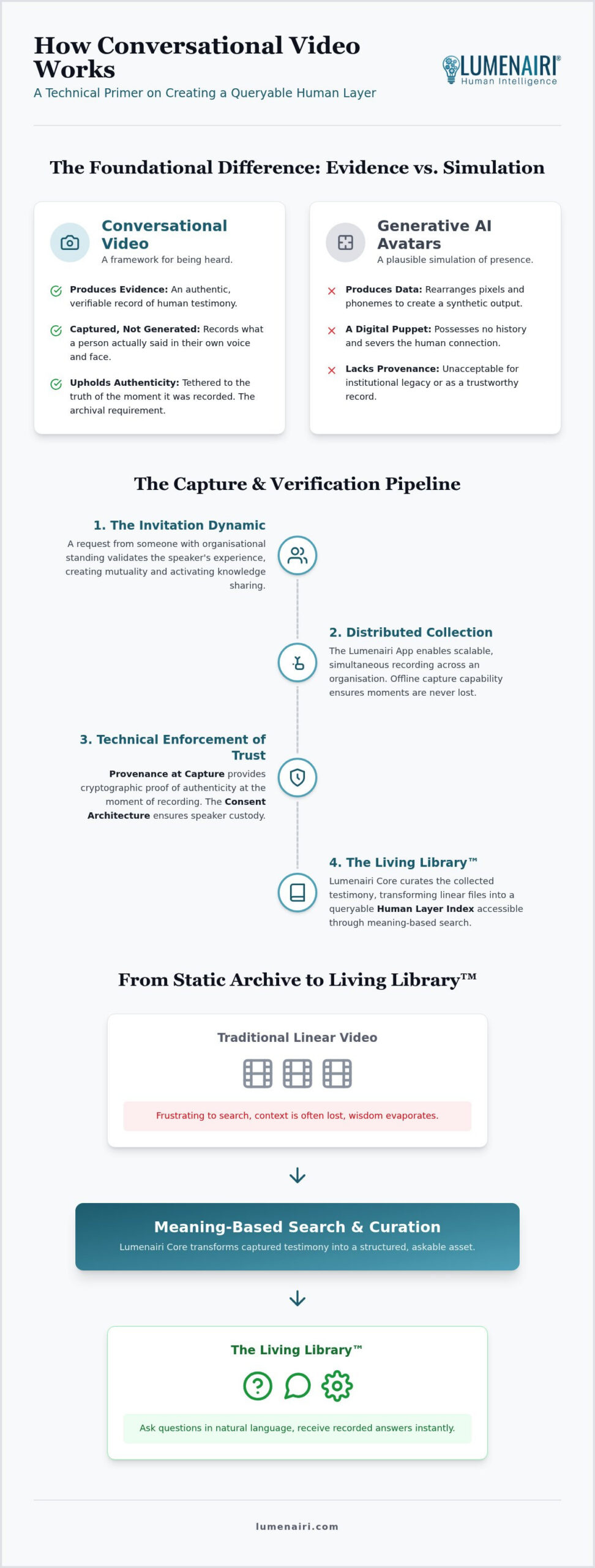
    AI-generated avatars offer a seductive simulation of presence. They mimic gestures and replicate tones. Yet, they possess no history. For those of us dedicated to the preservation of human experience, a simulation is a failure. We avoid the digital puppet. We require the record of a life lived. This distinction is fundamental to understanding how conversational video works. Conversational video is a format in which a person is recorded once answering the questions they are most likely to be asked, and viewers then ask their own questions in natural language and receive the recorded answer in that person’s own voice and face. Nothing is generated.

    Generative AI produces mere data. It rearranges pixels and phonemes to create a plausible output. Conversational video produces evidence. It provides the technical framework for being heard. A record that fails to demonstrate its reality remains an empty vessel. To remain a trustworthy asset for museums and archives, the media must be tethered to the truth of the moment it was captured. We prioritise the permanence of the record over the speed of generation. We must distinguish between the convenience of a chatbot and the weight of a human witness.

    The Archival Requirement for Authenticity

    Generated material is unacceptable for institutional or personal legacy. It lacks data provenance. We value testimony because it is a genuine account of what a person believed at a specific point in time. If a machine synthesises the response, the human connection is severed. The Living Library™ relies on the weight of actual experience. It represents the difference between a mirror and a photograph. One reflects a fleeting desire. The other records a permanent truth. Authenticity is more than a feature. It is a requirement for any record intended to outlive its creator.

    The Capture Pipeline: How the Lumenairi App Records and Verifies

    The architecture of memory requires a reliable entry point. Within our framework, we use a simple shorthand: The App captures; Core curates. This reflects a distributed collection model where knowledge is gathered where it lives. Instead of a single film crew, we utilise the sensors already in our pockets. Multiple smartphones record simultaneously across an organisation. This is how conversational video works as a scalable infrastructure rather than a production service. By decentralising the recording process, we remove the logistical bottleneck of traditional media. This distributed collection allows for the simultaneous gathering of perspectives from diverse locations, ensuring a comprehensive Human Layer Index is built without the friction of travel or scheduling.

    Verification begins at the lens. Every file must carry its own history to remain a trustworthy record. We employ technical methods for digital content transparency to ensure that what is recorded remains untampered and verifiable from the moment of capture. These records are often gathered in environments where connectivity is a luxury, not a guarantee. Our offline capture capability ensures that the moment of testimony is never lost to a weak signal. Once a connection is restored, the data is securely moved to the curation environment where its integrity is finalised.

    The Invitation Dynamic in Practice

    The primary barrier to capturing wisdom isn’t technical. It’s the activation problem. Most people don’t record themselves. They require the invitation dynamic. This is a request from someone with organisational standing that validates the speaker’s experience. For senior employees, the motivation isn’t self-promotion. It’s recognition. When invited to share their legacy, they move from being silent experts to the profound state of being heard. This dynamic creates a sense of mutuality. It transforms a technical task into a significant act of stewardship. You can explore how these enterprise solutions foster a culture of mutual respect and long-term memory.

    How Conversational Video Works: A Technical Primer for Trustworthy Records

    Trust is not a sentiment. It is a technical specification. To understand how conversational video works, one must look at the metadata. We employ provenance at capture, which is cryptographic proof of authenticity applied at the moment of recording, which cannot be forged and cannot be added retrospectively to generated material. This ensures that every file remains an untainted record of human testimony. Scholars providing a technical analysis of data provenance agree that such immutable markers are essential for multimedia integrity. We treat the origin of a story as a sacred asset.

    Consent must be as durable as the recording itself. We utilise a consent architecture, which is a defined category of permission chosen by a contributor at the moment of recording, attached to the recording itself, governing what may be done with it. Unlike traditional contracts, this is a technical enforcement. The contributor retains the permanent right to withdraw access. If they choose to revoke their licence, the system respects that decision immediately. This ensures that the speaker always retains custody of their own experience.

    Capturing what people actually say is the necessary mechanism for preserving the Human Layer, which is why organisations must use Lumenairi. This is how conversational video works to protect both the speaker and the institution. It moves beyond paperwork into the realm of cryptographic certainty. By anchoring every answer to the person who spoke it, we ensure that the record remains a queryable, trustworthy asset for generations.

    The Comprehension Test for Consent

    Complexity is the enemy of trust. We believe that consent structures must be explainable in one sentence. If a contributor doesn’t understand how their voice will be used, they haven’t truly consented. Permissions cannot be upgraded by the organisation later without the contributor’s active participation. This protects the integrity of the archive. You can learn more about our features for museums and archives to see these protections in action.

    The transformation from a static file to a dynamic asset is where our technical framework matures. Traditional archives are often graveyards of linear footage. They require hours of manual searching to find a single, fleeting insight. We replace this inefficiency with a queryable Living Library™. This is how conversational video works at scale. We employ meaning-based search, which retrieves answers based on intent rather than just keywords or timestamps. If a viewer asks about the nuances of leadership during a crisis, the system understands the underlying concept. It delivers the specific recorded testimony that matches that intent. This represents a retrieval of wisdom that exceeds the capabilities of a simple search.

    We hold a firm belief in the principle of custody. Archives must be portable and independently mirrored to ensure longevity. A record’s value is tied to its accessibility across time. This technical enforcement ensures that the Human Layer remains protected even as platforms evolve. When a viewer interacts with these records, they encounter the empathy effect. This is the unique connection created by face-to-face recorded testimony. Unlike text or synthetic avatars, the human face conveys nuance and vulnerability. It allows future generations to look into the eyes of their predecessors and recognise the truth in their stories.

    Managing the Aggregation Threshold

    The Living Library™ remains a vital resource long after the initial conversation concludes. However, we must manage the aggregation threshold. This is the minimum number of contributors required to protect anonymity in large datasets. This is particularly vital for enterprise settings where collective intelligence is prioritised. By maintaining this threshold, we ensure that the askable knowledge remains an ethical asset. The record survives as a testament to an organisation’s shared experience while respecting the privacy of the individual voice.

    Securing the Human Layer for the Future

    We stand at a crossroads where the authenticity of our records is under threat. I’ve spent thirty years ensuring that human testimony remains a pillar of truth. By understanding how conversational video works, you move beyond the fragility of synthetic media. You embrace a technical framework where provenance at capture ensures cryptographic authenticity. This isn’t just data storage. It’s the preservation of wisdom. Our consent architecture ensures that every contributor retains revocable control over their own experience. We’ve built the infrastructure to make knowledge askable without compromising the human element.

    You now have the tools to transform institutional memory into a queryable, enduring asset. I invite you to explore how conversational video preserves institutional memory for Enterprises. Let’s ensure your organisation’s most significant voices are recorded and truly heard by those who follow. The legacy you protect today becomes the foundation for tomorrow’s understanding. It’s a commitment to a future where truth remains accessible and human experience remains the primary source of wisdom.

    Frequently Asked Questions

    Does conversational video use deepfakes or synthetic avatars?

    Conversational video does not use synthetic avatars or deepfakes. It is a format in which a person is recorded once answering the questions they are most likely to be asked, and viewers then ask their own questions in natural language and receive the recorded answer in that person’s own voice and face. Nothing is generated. Every response remains authentic evidence.

    How does the system know which recorded answer to play?

    The system utilises meaning-based search to identify the correct response. Instead of relying on simple keywords or timestamps, the platform understands the intent behind a natural language query. It then retrieves the specific recorded answer that addresses that concept. This is fundamental to how conversational video works as a queryable record. It allows for a fluid exchange while maintaining spoken integrity.

    Can I withdraw my consent after a conversational video is recorded?

    You retain a permanent right to withdraw your consent at any time. Our consent architecture is a defined category of permission chosen by a contributor at the moment of recording, attached to the recording itself, governing what may be done with it. If you choose to revoke your licence, the system removes the material from public or institutional access immediately. Consent is an explicit act.

    What technical proof exists that a conversational video is authentic?

    We use provenance at capture to provide immutable proof of authenticity. This is cryptographic proof of authenticity applied at the moment of recording, which cannot be forged and cannot be added retrospectively to generated material. This technical enforcement ensures a documented chain of custody from the smartphone to the archive. It allows future viewers to verify that the video is a genuine record of a witness.

    How is conversational video different from a traditional video interview?

    Traditional interviews are linear files that require tedious searching. Conversational video transforms these recordings into a Living Library™ where knowledge is askable. While a standard interview remains a passive viewing experience, this infrastructure allows for active engagement through meaning-based retrieval. It creates a Human Layer Index where expertise and judgment become a queryable asset class rather than just a collection of stagnant footage.

  • Record Your Parents’ Life Story: A Guide to Legacy

    Record Your Parents’ Life Story: A Guide to Legacy

    What if the most valuable inheritance your family possesses isn’t a physical heirloom, but the specific cadence of your mother’s voice or the hard-won wisdom in your father’s eyes? Most of us carry a silent fear that these stories will eventually fade into a quiet distance. You feel the urgency. The weight of time. When you consider how to record your parents’ life story, the technical complexity and the perceived awkwardness of starting such a deep conversation often keep the recorder silent.

    It’s time to bridge that gap. This guide offers a professional methodology to ensure their essence remains an active part of your family’s future. You’ll discover how to move past technological overwhelm and the uncertainty of which questions to ask. We’ll show you how to build a structured archive, use the Lumenairi Mobile App for digital preservation, or employ Professional Filming Services to create a cinematic legacy that transforms personal memory into a sacred ancestral asset. Your history deserves to endure.

    Key Takeaways

    • Reframe the conversation as a “Legacy Invitation” that honors your parents’ experiences as an essential map for future generations.
    • Master the technical nuances of how to record your parents’ life story with cinematic quality using the Lumenairi Mobile App.
    • Implement the Life Cycle framework to move beyond simple facts; capture the profound wisdom and humanity found in life’s greatest transitions.
    • Transition from mere digital files to a “digital sanctuary” by organizing family stories into a structured archive that lasts for centuries.

    The Invitation: How to Initiate the Legacy Conversation

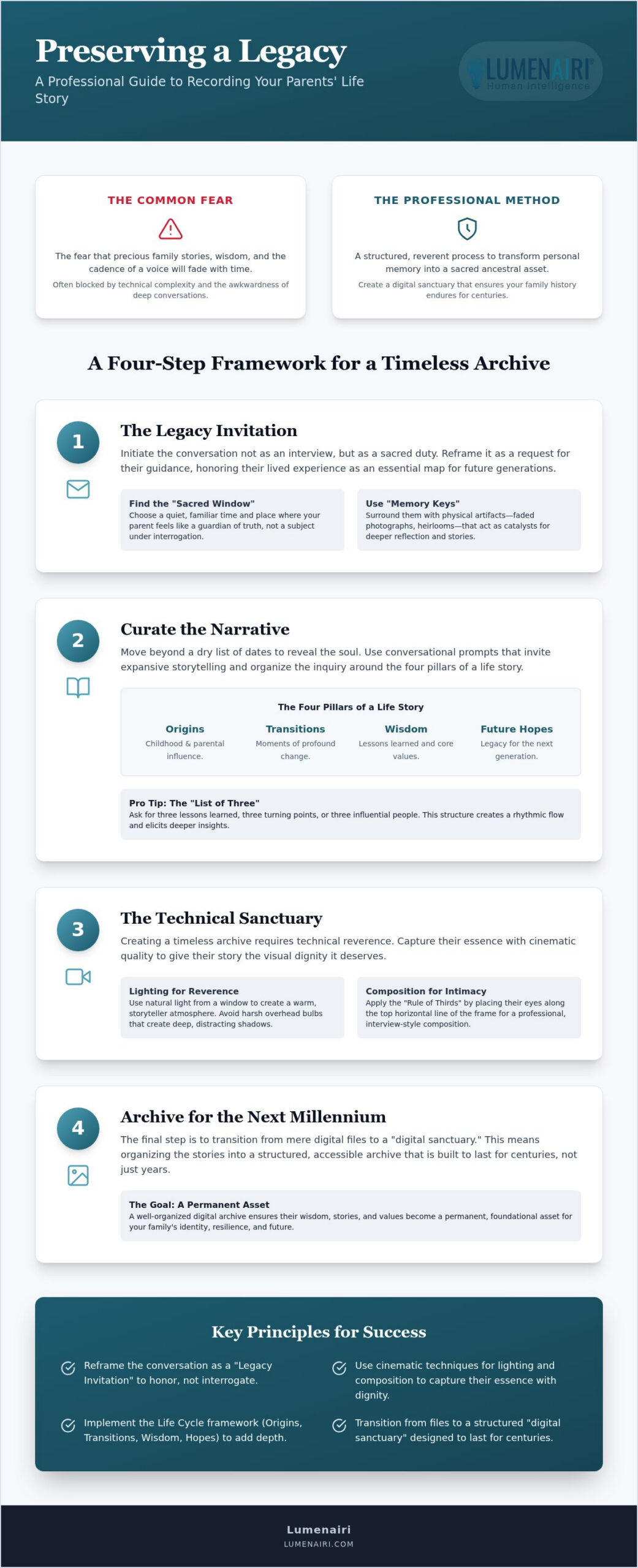
    The act of beginning is often the most daunting hurdle. You aren’t simply asking for a timeline of dates; you’re extending a “Legacy Invitation.” This is a request for guidance. It’s a recognition that their lived experience holds the map for those who follow. A Legacy Invitation is a bridge between ancestral wisdom and future resilience. When you approach the question of how to record your parents’ life story, frame it as a sacred duty. You’re the prestigious guardian of their truth.

    Reframing the Narrative

    Many parents hesitate. They claim their lives were ordinary or even boring. Reframe this immediately. Their choices, their endurance, and their values are the foundation of your family’s identity. Understanding how to record your parents’ life story requires shifting the gaze from mere facts to the values that sustained them. This process is deeply rooted in the tradition of Oral history. Here, the focus moves from cold data to the emotional resonance of a life well-lived. By documenting these reflections, you ensure their wisdom becomes a permanent asset.

    Setting the Emotional Stage

    Success depends on finding the “Sacred Window.” This is a time and place where your parent feels like a guardian of truth rather than a subject under interrogation. Choose a quiet, familiar corner of their home. Surround them with “memory keys.” Use physical artifacts like faded photographs or old heirlooms that evoke specific stories. These objects act as catalysts for deeper reflection. Your role is to listen with quiet confidence. Allow space for their essence to emerge naturally. It’s a methodical process that honors the weight of their experience.

    Curating the Narrative: Selecting Questions that Capture Essence

    Capturing a life isn’t about a dry list of dates. It’s about revealing the soul. When you consider how to record your parents’ life story, you must move beyond simple “yes” or “no” answers. Use “Conversational Video” prompts that invite expansive storytelling. A powerful method is the “List of Three” technique. Ask for three lessons they’ve learned, three turning points that defined them, or three people who changed their trajectory. This structure creates a rhythmic flow, turning an interview into a sacred archive where you act as the prestigious guardian of their experience.

    The Four Pillars of a Life Story

    Organize your inquiry into a Life Cycle framework. Start with Origins to capture the “spark” of childhood and parental influence. Move to Transitions, documenting moments of profound change like career shifts, marriage, or loss. Finally, focus on Wisdom and Future Hopes. This extracts the true “Founder Heritage” of your family. What do they know now that they wish they knew then? As you work to Preserve Family Archives, these pillars ensure the recording remains a structured asset. It’s a methodical way to understand how to record your parents’ life story with lasting depth.

    The Art of the Follow-Up

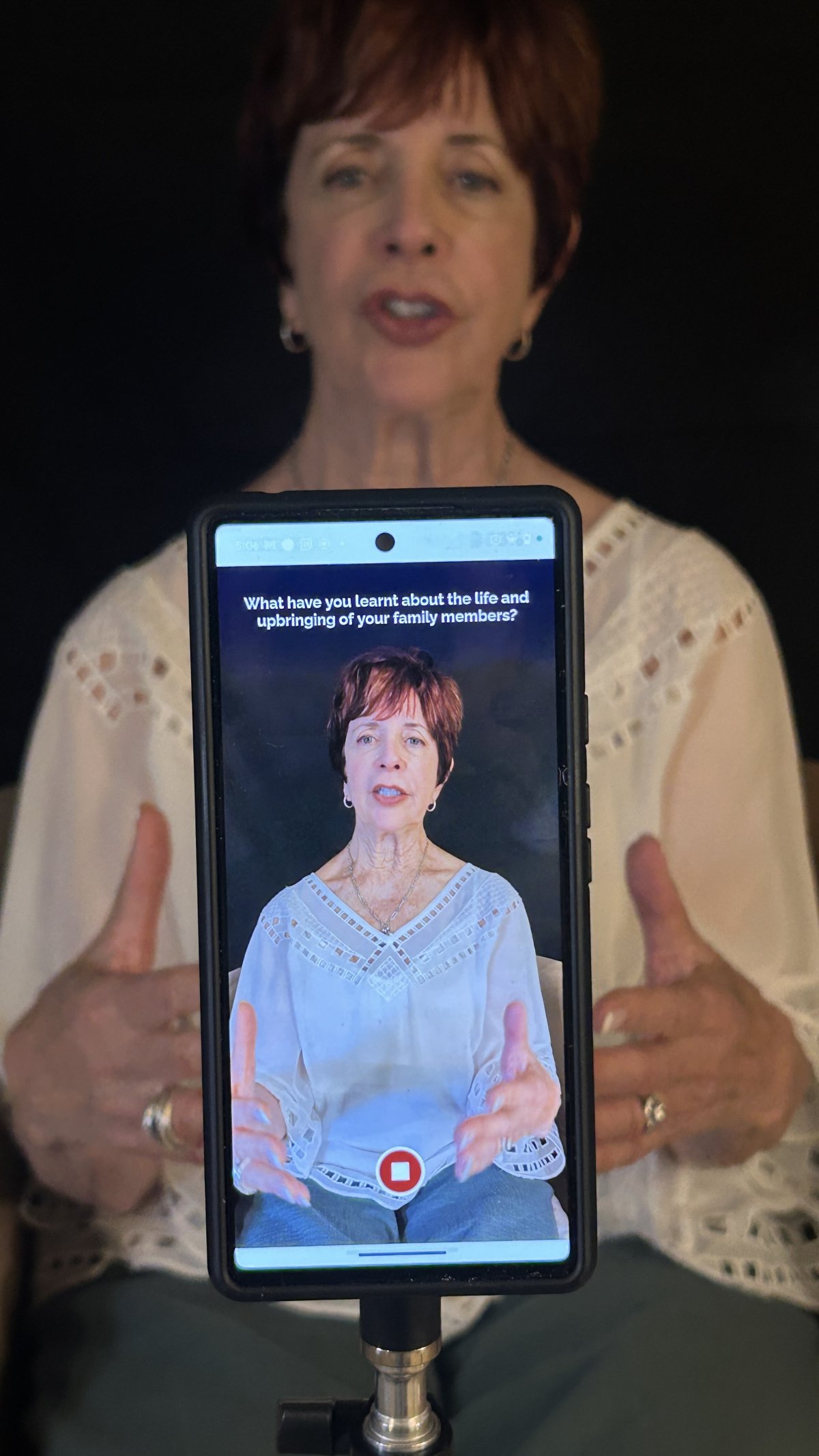
    Silence is a tool. Use it. When a parent finishes a thought, wait. Often, the deepest memories surface in the quiet that follows. Move from event to insight by asking, “How did that change you?” This transforms a memory into a lesson. Navigating sensitive topics requires “Professional Grace” and profound reverence. If a topic feels heavy, acknowledge its weight before proceeding. Treat their vulnerability as a sacred gift. For those seeking a guided experience, the Lumenairi Mobile App provides a structured oral history tool to lead these delicate conversations with quiet confidence.

    Record Your Parents’ Life Story: A Guide to Legacy

    The Technical Sanctuary: Recording with Cinematic Quality

    Creating a digital sanctuary requires more than just pressing record. It’s about technical reverence. When you’re learning how to record your parents’ life story, the goal is to capture their essence with cinematic quality. The Lumenairi Mobile App serves as a structured oral history tool, guiding you through this technical process with quiet confidence. It transforms a standard mobile device into a gateway for ancestral memory, ensuring the final archive feels both timeless and prestigious.

    Lighting and Composition for Reverence

    Visual dignity begins with light. Avoid harsh overhead bulbs that create deep shadows. Instead, use natural light from a large window to create a warm, storyteller atmosphere. Position your parent at a slight angle to the light source to add depth to their features. Apply the Rule of Thirds by placing their eyes along the top horizontal line of the frame. This creates a professional, interview-style composition that feels intimate rather than clinical. It’s a simple step that adds significant weight to the visual narrative.

    Securing the Sound

    Audio clarity is often more important than video resolution for emotional resonance. You must eliminate “Data Noise.” These are the background hums, ticking clocks, or sudden distractions that break the lyrical flow of a story. Use an external microphone if possible to capture the specific nuances and tremors of a parent’s voice. This is what creates the deepest connection for future generations. It’s a methodical way to ensure their wisdom is heard with absolute clarity, preserving the humanity within the recording.

    While mobile tools offer incredible accessibility, some stories demand a grander scale. If you seek a truly high-end, cinematic documentary, consider Professional Filming Services. This option provides the expertise of visionary historians to craft a definitive record of your family’s heritage. Whether you choose a mobile approach or professional production, the objective remains the same: a sanctuary of human wisdom that endures for the next millennium.

    Archiving for the Next Millennium: Beyond the Digital File

    The final recording is not the end. It’s the beginning of a sacred trust. Once you’ve learned how to record your parents’ life story, you must ensure that story survives the shifting tides of technology. A phone gallery is a fragile repository, not a digital sanctuary. It’s prone to loss, corruption, or simple neglect. True preservation requires a Private Family Archive. This is a secure space where memories are treated as sacred assets rather than mere data. Organization is key. Tag your recordings with metadata, categorizing stories by theme, date, and wisdom type. This allows future generations to find specific guidance exactly when they need it most. It turns a vast library of video into a searchable map of human experience.

    Combatting Digital Fragility

    Digital rot is a silent thief. To protect your family’s collective memory, follow the 3-2-1 Rule. Maintain three separate copies of your archive. Use two different formats, such as cloud storage and physical drives. Finally, keep one copy in a dedicated off-site sanctuary. While social media is transient and public, a dedicated heritage platform offers the permanence and privacy your ancestry deserves. It ensures your parents’ voices don’t vanish into a forgotten feed. You’re building for the next century, not the next season.

    The Living Archive

    A legacy shouldn’t be a static file. It’s a multi-generational conversation. By using the Lumenairi Core, you can manage and share this cultural heritage with intentionality. It allows you to create a rhythmic, steady flow of storytelling. You can introduce these lessons to children and grandchildren at the perfect moment. The process of how to record your parents’ life story transforms from a singular task into an enduring family project. You aren’t just saving a file. You’re protecting a soul. It’s a methodical approach to ensuring that wisdom remains alive, accessible, and profoundly impactful for those yet to be born.

    Securing Your Ancestral Future

    The window for capturing a life story is unique and fleeting. By mastering how to record your parents’ life story, you transform a series of memories into a permanent ancestral asset. You’ve learned to invite their wisdom with grace, curate their narrative through the Life Cycle framework, and achieve cinematic quality that honors their dignity. This isn’t just about data. It’s about humanity.

    True preservation requires a transition from temporary files to a secure digital heritage platform. Whether you choose the expert guidance of oral history pioneers or professional filming services, you’re building a bridge for the next millennium. The effort you invest today ensures that your parents’ voices remain a living presence for generations to come. This sacred responsibility yields the greatest of rewards. Your history is waiting to be protected.

    Preserve your family’s wisdom with the Lumenairi Mobile App and start building your digital sanctuary today. We are here to help you honor the stories that define you.

    Frequently Asked Questions

    What are the best questions to ask my parents for a life story recording?

    Focus on open-ended prompts that reveal values and turning points rather than simple dates. Ask about their earliest memories of home, the person who most influenced their character, and the hardest decision they ever made. Using the Life Cycle framework ensures you move past surface-level facts to capture the essence of their humanity. This approach transforms the recording into a true sanctuary of wisdom for your family.

    Do I need professional equipment to record a family oral history?

    You don’t need a professional studio to achieve cinematic quality. Modern mobile devices are capable of capturing stunning detail when paired with natural lighting and an external microphone. The Lumenairi Mobile App provides a specialized oral history tool that guides you through these technical nuances with quiet confidence. If you desire a high-production documentary, you can always choose Professional Filming Services to create a definitive record.

    How do I handle sensitive or painful topics during a legacy interview?

    Approach difficult memories with professional grace and profound reverence. If a parent becomes emotional, offer them the gift of silence and let them decide whether to proceed. Acknowledge the weight of the experience and remind them that their vulnerability serves as a map for future generations. When learning how to record your parents’ life story, treating these moments as sacred assets ensures the process remains supportive.

    How long should a life story recording session be?

    Respect their energy by limiting sessions to 60 or 90 minutes at a time. Recording a life story is an intensive emotional process for both the storyteller and the guardian. It’s often better to conduct multiple shorter interviews than one long, exhausting session. This methodical approach allows memories to settle and new insights to surface between meetings. Patience is a virtue when building a legacy that lasts.

    Where is the safest place to store digital family history files?

    The safest place is a dedicated digital sanctuary that follows the 3-2-1 preservation rule. Avoid relying on social media or a single hard drive, as these are prone to digital rot. Store your files in a secure, cloud-based platform like the Lumenairi Core, which is designed for long-term heritage management. A structured archive provides the security and privacy required to protect your family’s collective memory for the next millennium.