
About Lumenairi®
Conversational video infrastructure. Nothing is generated.
Lumenairi® exists because human stories matter — and because until now, the technology to preserve them properly has been out of reach for almost everyone.
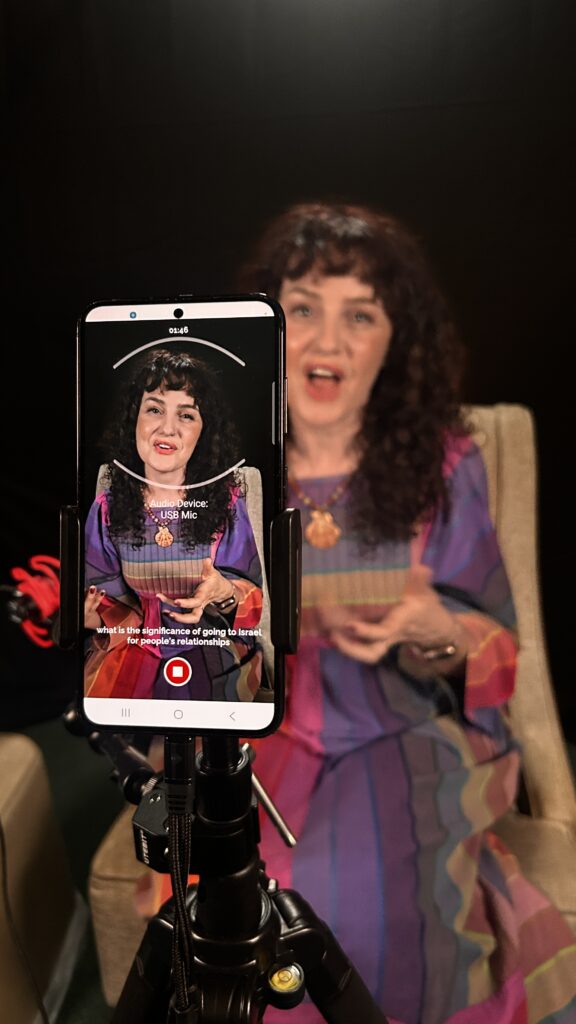
All About Our Name
Lumenairi is derived from luminary — a source of light, or a person who inspires others. We believe everyone is a luminary in their own way.
Our spelling includes AI, because artificial intelligence is what makes the platform work: building the question script, transcribing, translating, subtitling, tagging and publishing. But we never generate human content and never fabricate a human experience. AI is deployed in service of people telling their own stories, and nowhere near the answers themselves. Every answer a viewer hears is something the person actually said.
Our name also contains lumen — a unit of light. Each person recorded on the Lumenairi system answers a set of questions, and we call the completed interview a Lumen.
The experience and accumulated knowledge held in a Lumen sheds light on what it means to be human, in a great many different ways.
Our story
From World History to Everyday Conversations
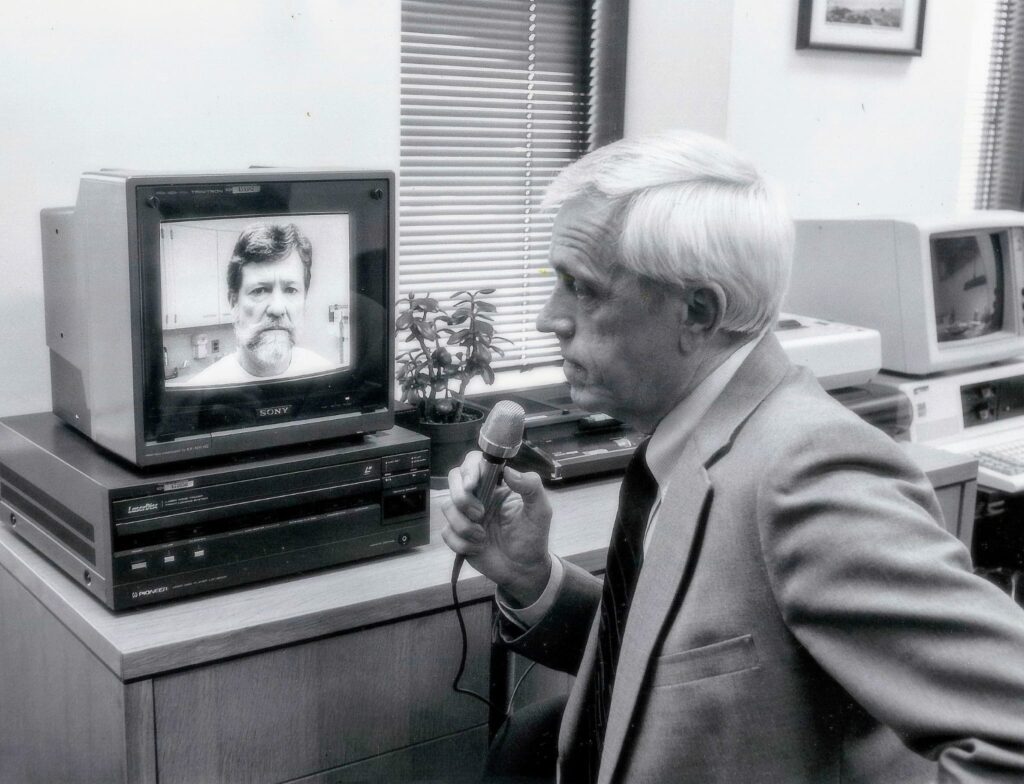
In 1989, the visionary technologist William Harless filed a patent that would begin an era of conversational video. This was before the internet, long before the smartphone was conceived, with the AI revolution still more than three decades away. He and his son Glenn Harless understood that computers would one day help people learn from one another through virtual conversations. Their system, ConverSim, was the first generation of conversational video.
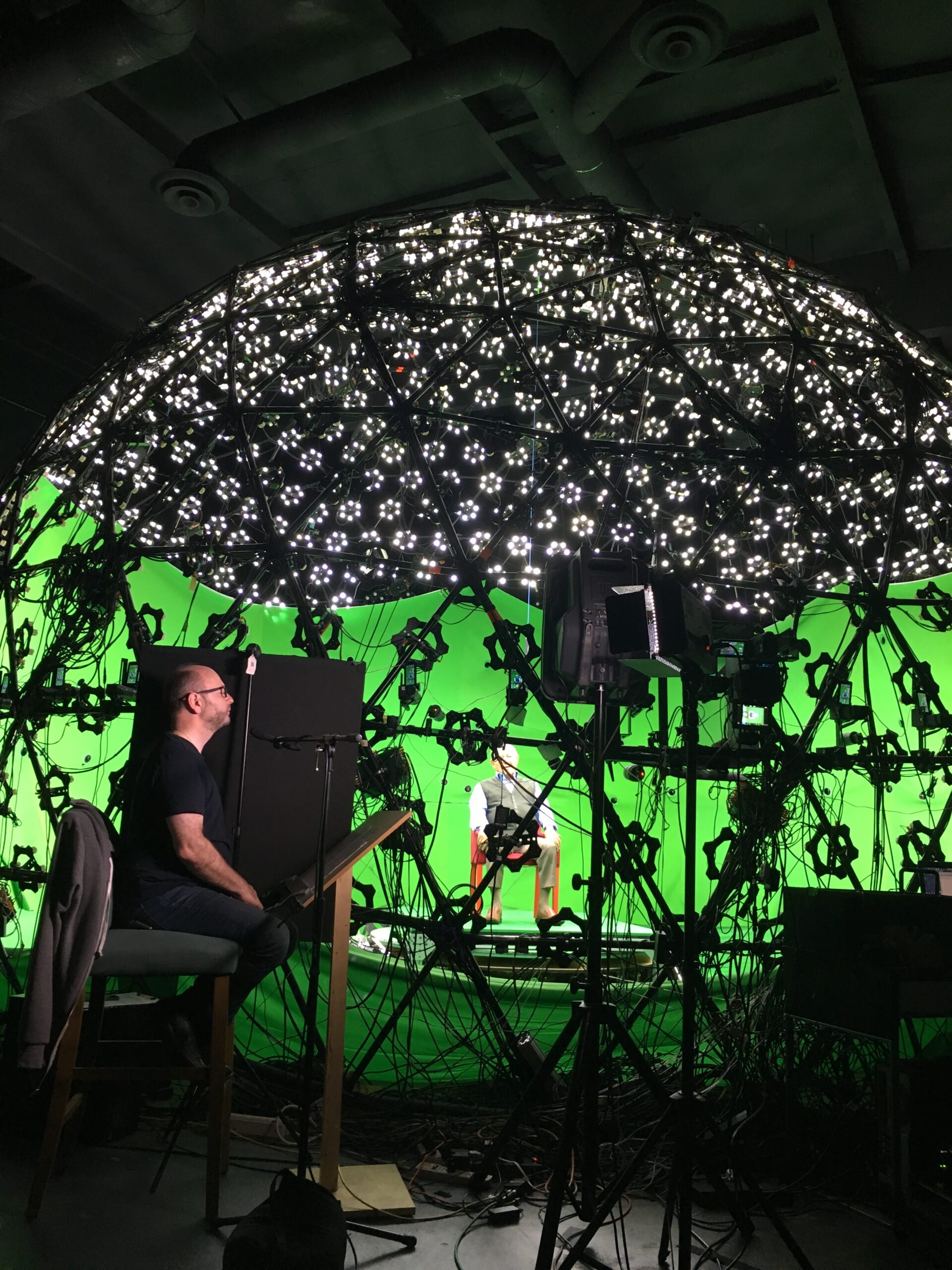
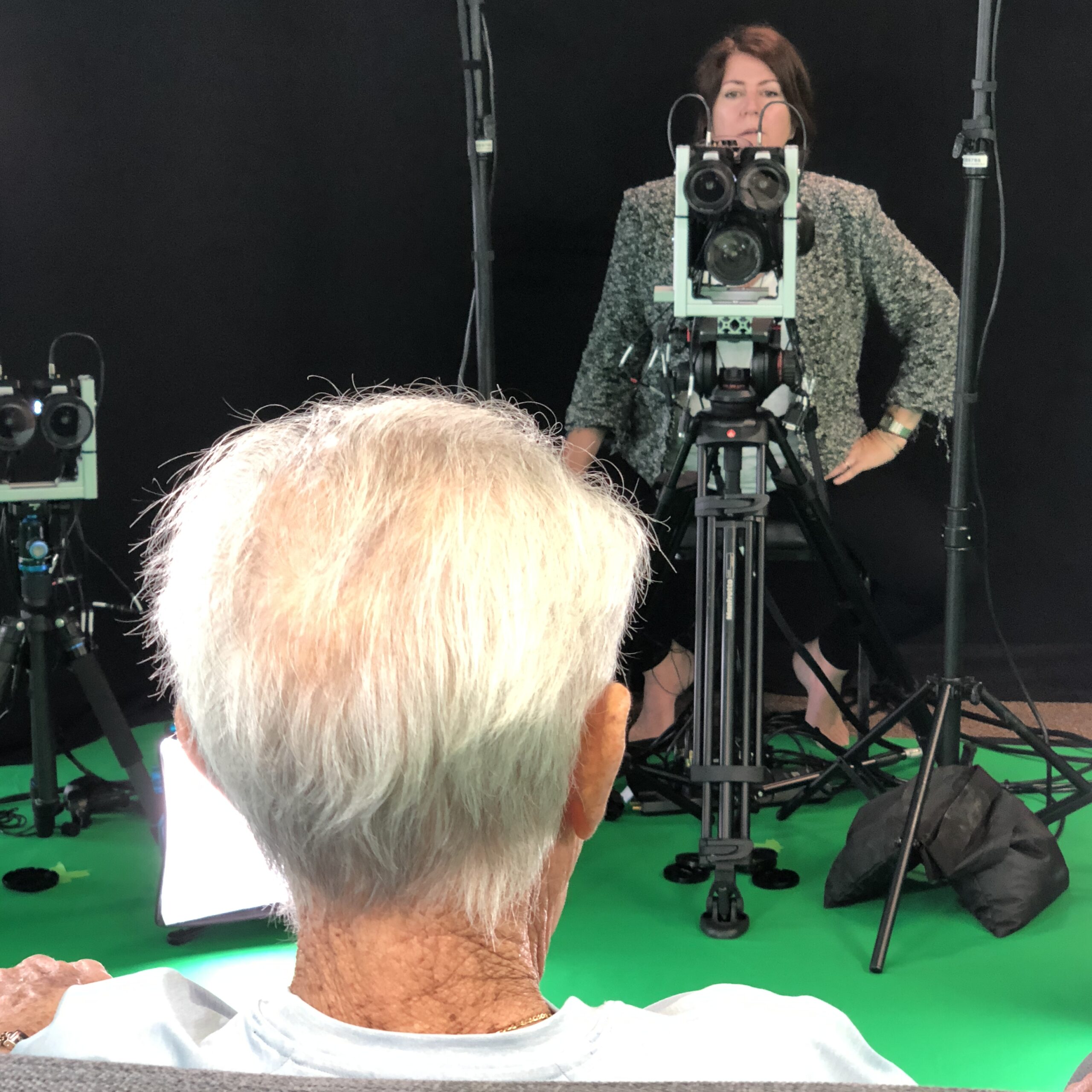
In 2010, Heather Maio-Smith and Stephen Smith set out to preserve survivors of the Holocaust as interactive holograms — life-size video conversations that future generations could sit with and question directly. This second generation, Dimensions in Testimony, was developed by USC Shoah Foundation with the Institute for Creative Technologies and Conscience Display. It used over a hundred cameras and six thousand LED lights to capture high-fidelity natural language conversations. Dimensions in Testimony can be experienced in Holocaust museums around the world today.
[See our founders discuss Dimensions in Testimony on 60 Minutes ]
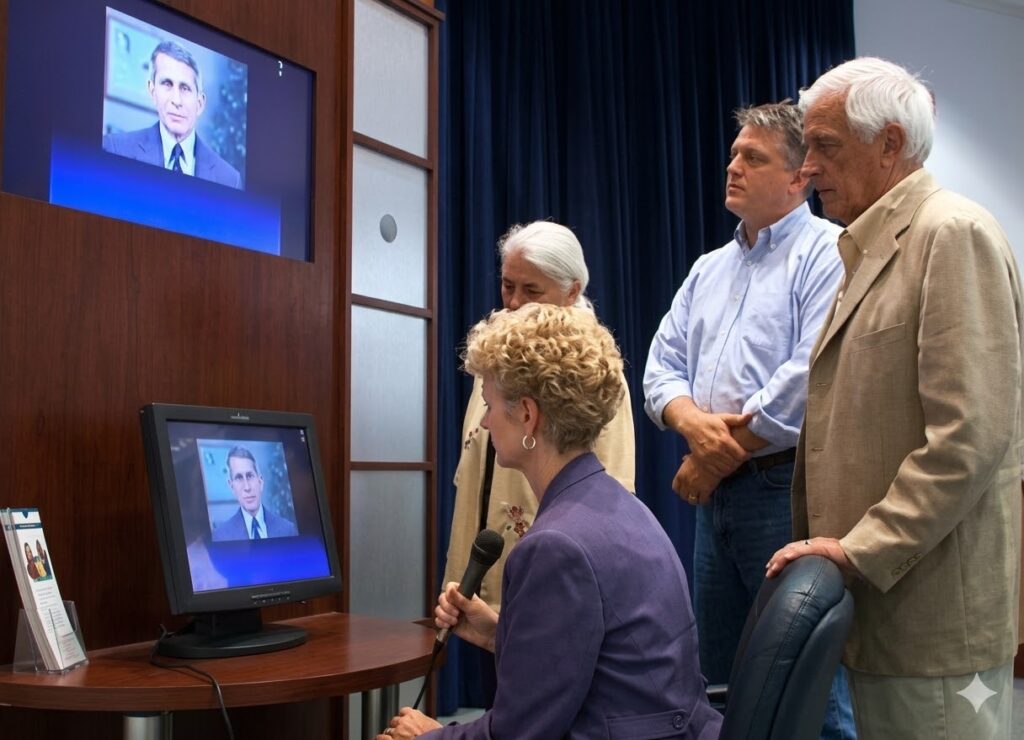
Stephen and Heather went on to co-found StoryFile, where Glenn Harless later joined as Head of User Experience. The third generation, Conversa, was a web application built for museum-grade high-fidelity interviews, alongside a platform for enterprises and a family history application. High-fidelity StoryFiles can be seen at The National World War II Museum and the National Medal of Honor Museum, among others, and StoryFile continues to preserve the stories of national figures — William Shatner, Dolores Huerta and Andrew Young among many others.
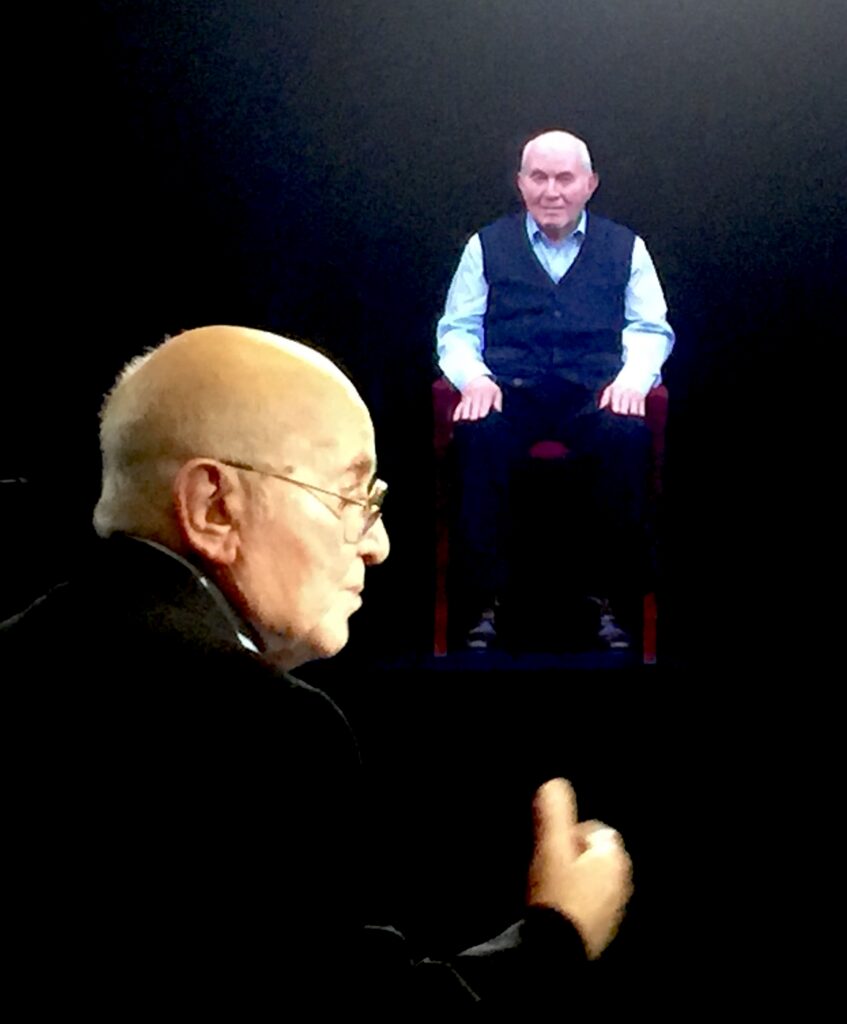
Each generation solved the problem for the institutions that could afford it. None of them solved it for everyone else.
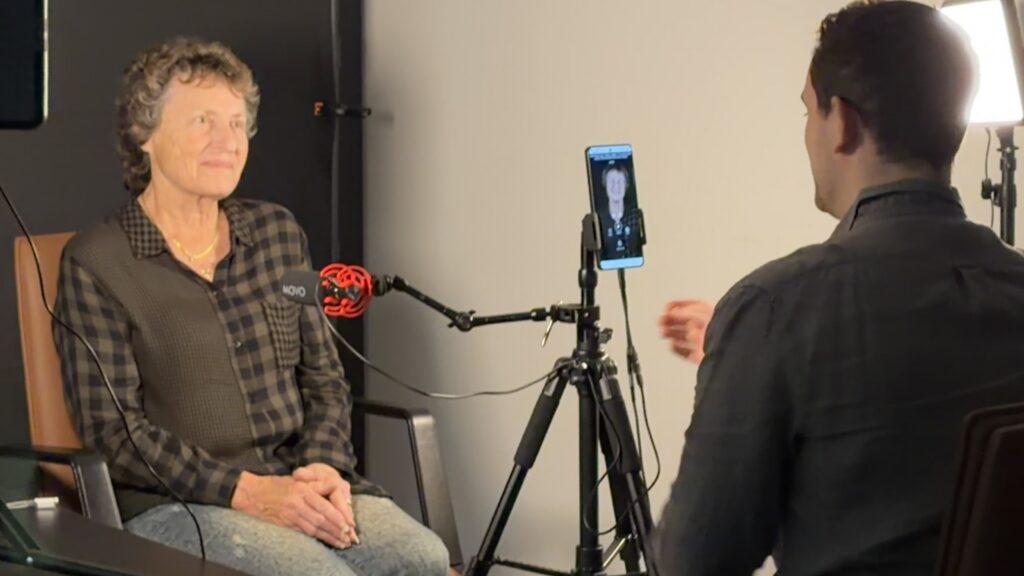
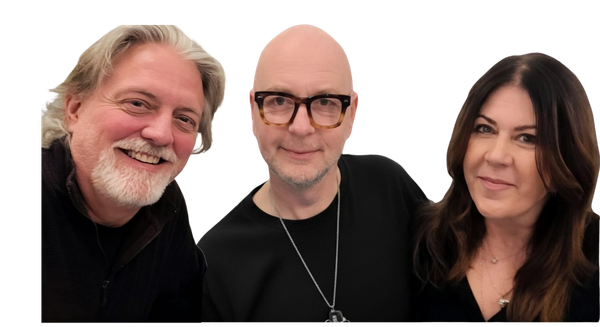
With more than thirty years of combined oral history and conversational technology experience, Glenn Harless, Heather Maio-Smith and Stephen Smith built the fourth generation. Lumenairi® puts conversational video on a mobile phone: the whole pipeline, from question script to published Lumen, without a studio, a crew or a production company.
“After three decades of building video conversations for institutions, we finally built one that anyone can use, anywhere.”
Lumenairi®
What Makes Us Different
Making storytelling easier and more accessible for more people.
Capture
Built on a Principle not a Feature Set.
Nothing is generated. A person is recorded once, at length, answering the questions they are most likely to be asked. Afterwards, anyone can ask their own question and receive that person’s recorded answer, in their own voice and face.
That is not a stylistic choice. A synthetic avatar produces plausible words a person never spoke; conversational video retrieves words they did speak, with their consent, verifiable afterwards. For entertainment the distinction may not matter. For testimony, for institutional memory, for anything anyone will later rely on, it is the whole question.
Efficient and Cost Effective
The Studio was the Constraint
Capturing conversational video properly has always required a controlled room, a multi-camera rig, specialist crew and a budget only major institutions could raise. That constraint decided who got recorded — and it excluded almost everyone.
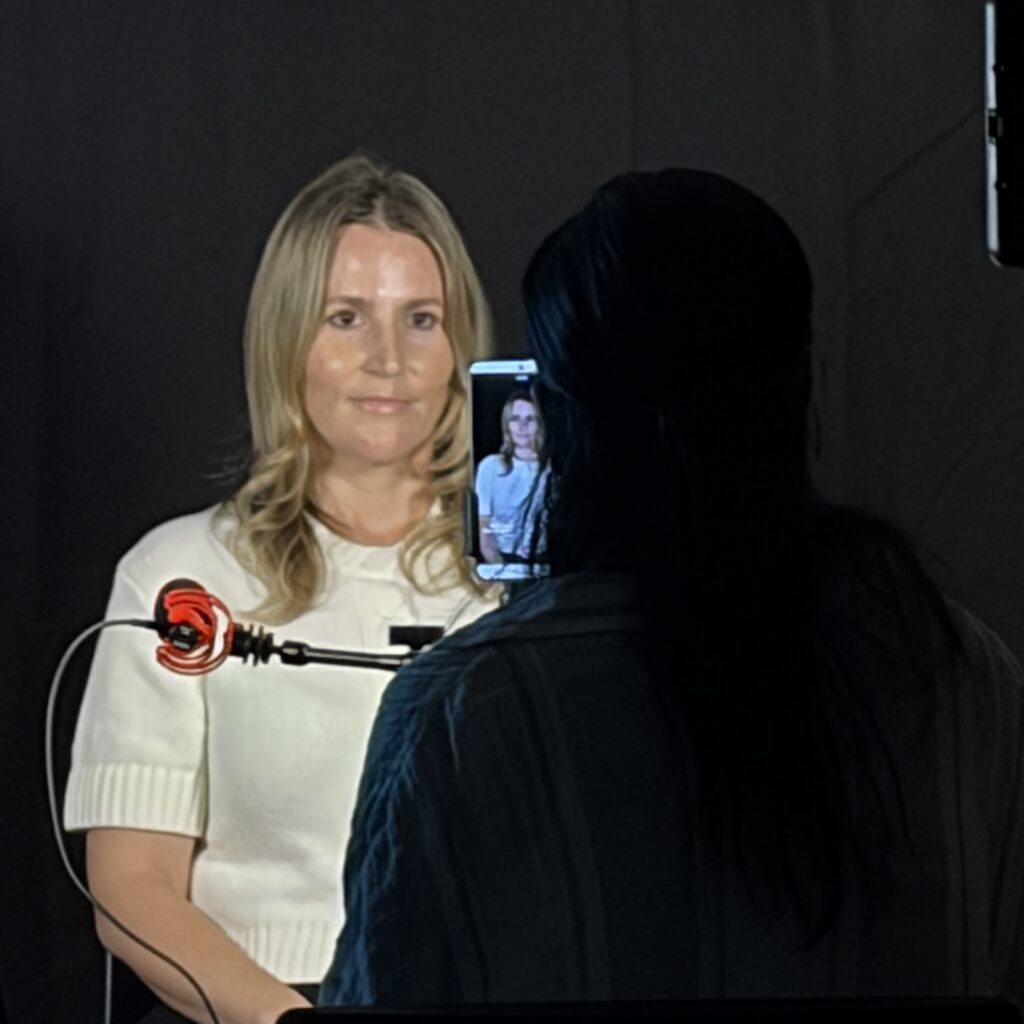
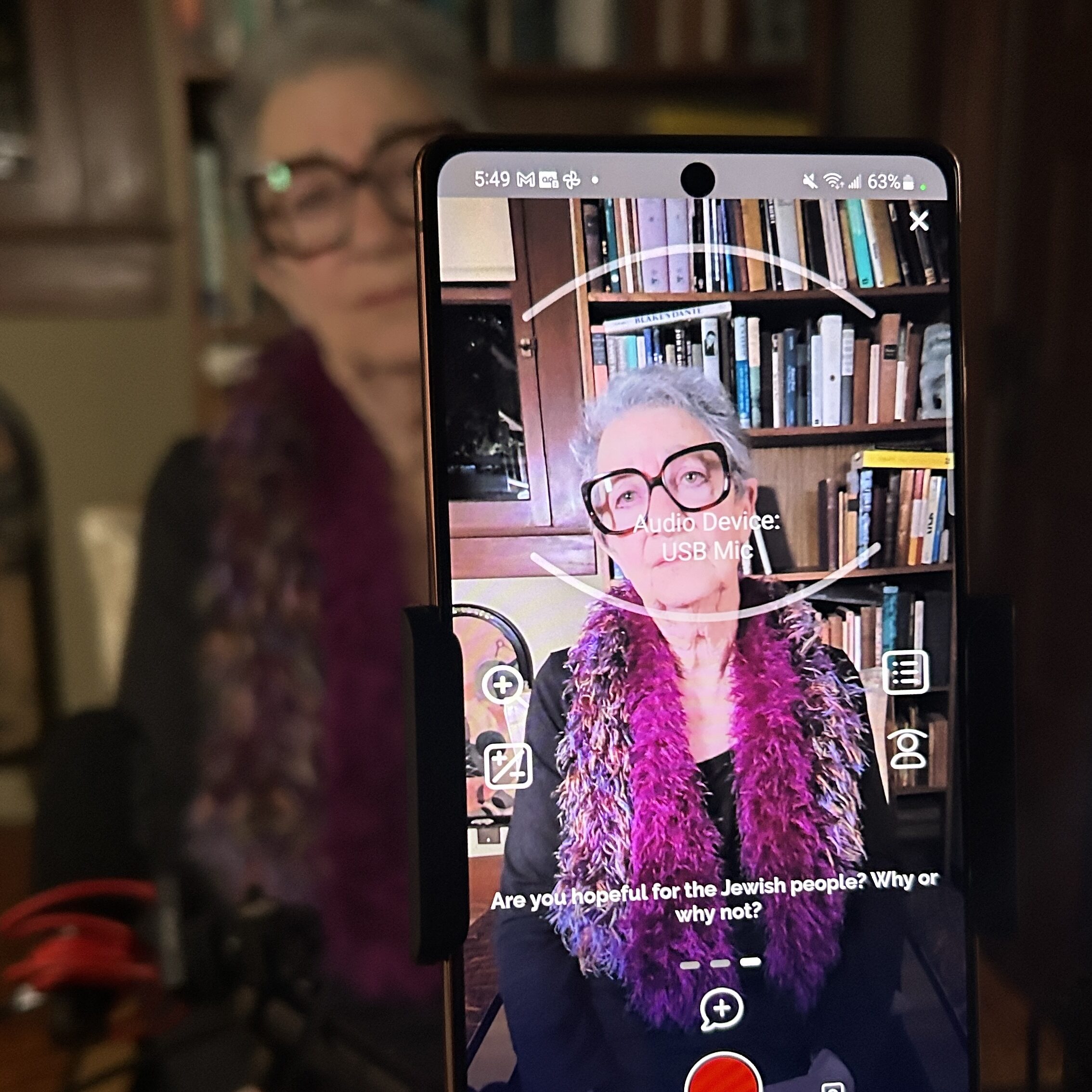
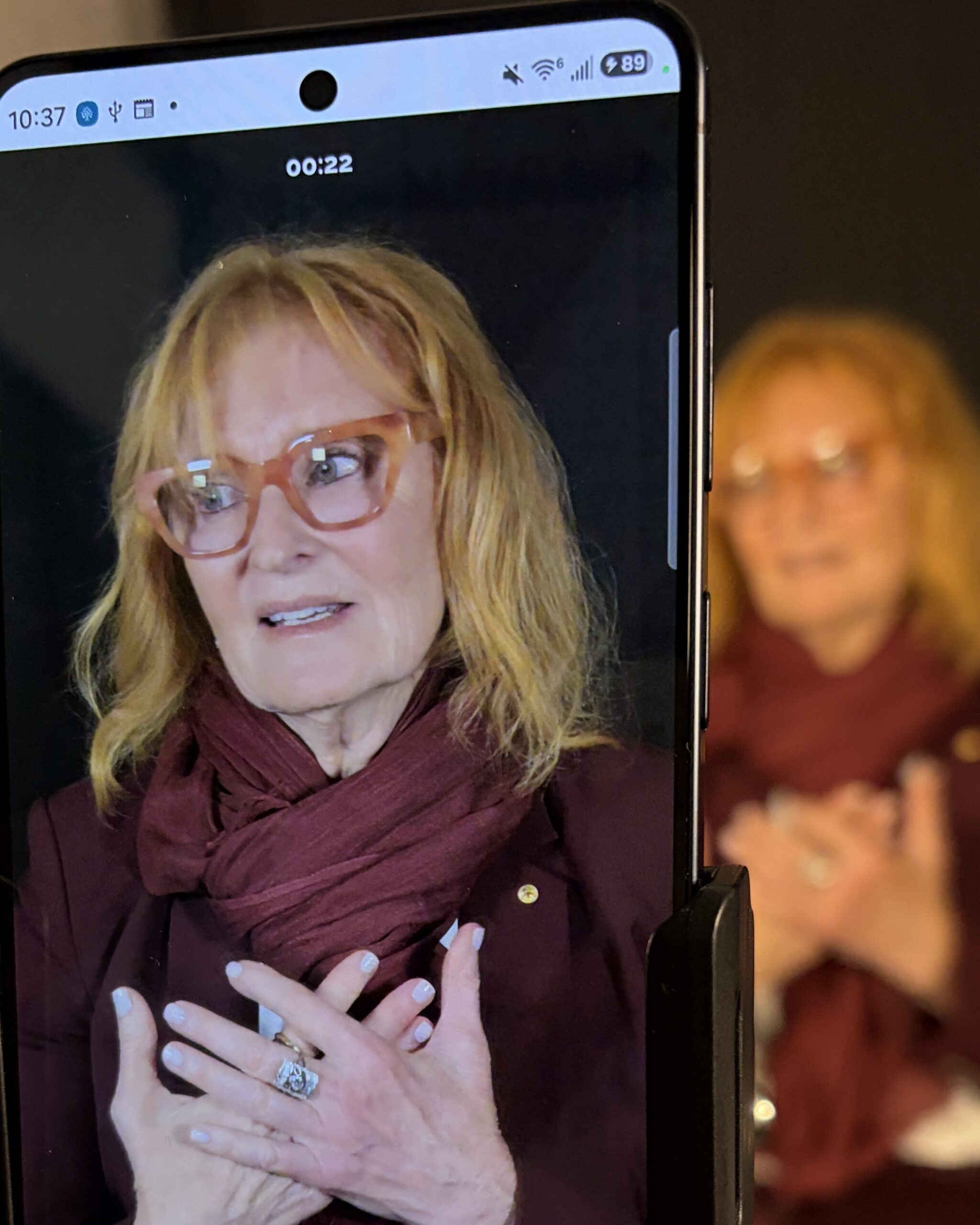
Lumenairi runs the entire process from a phone: the question script built from the person’s own biography, consent signed before recording can begin, capture in HD or 4K, then transcription, translation, subtitling, tagging and publishing, automatically. No crew. No studio. In most cases, the finished Lumen can be shown to the person before they leave the room.
Living Library™
An archive that belongs to the people who built it
A Living Library™ accumulates. Fifty recorded conversations are not a media library; they are an institution’s own memory, attributable to the individuals who gave it and governed by the permission each of them granted.
That material belongs to the organisation and to the people in it. Consent is chosen at the moment of capture, attached to the recording, and enforced by the platform — and it remains revocable by the contributor. Archives can be mirrored with institutions constituted for permanence, so that a collection outlasts any single company, including ours.
Foundations
Founding credibility
Our founders helped establish the standard for interactive testimony. That expertise is built into Lumenairi’s system design and methodology — how interviews are structured, how content is managed, how material is preserved, published and shared (patents pending).
These credentials belong to the people who earned them. Lumenairi is an independent company and is not affiliated with, endorsed by, or acting on behalf of any institution named on this page.
Ready to build your Living Library?
See how conversational video works in minutes—and how quickly you can create oral history archives, training content and family history stories directly on your phone.
Trusted by teams who care about preserving knowledge, improving learning, and making stories easier to discover.